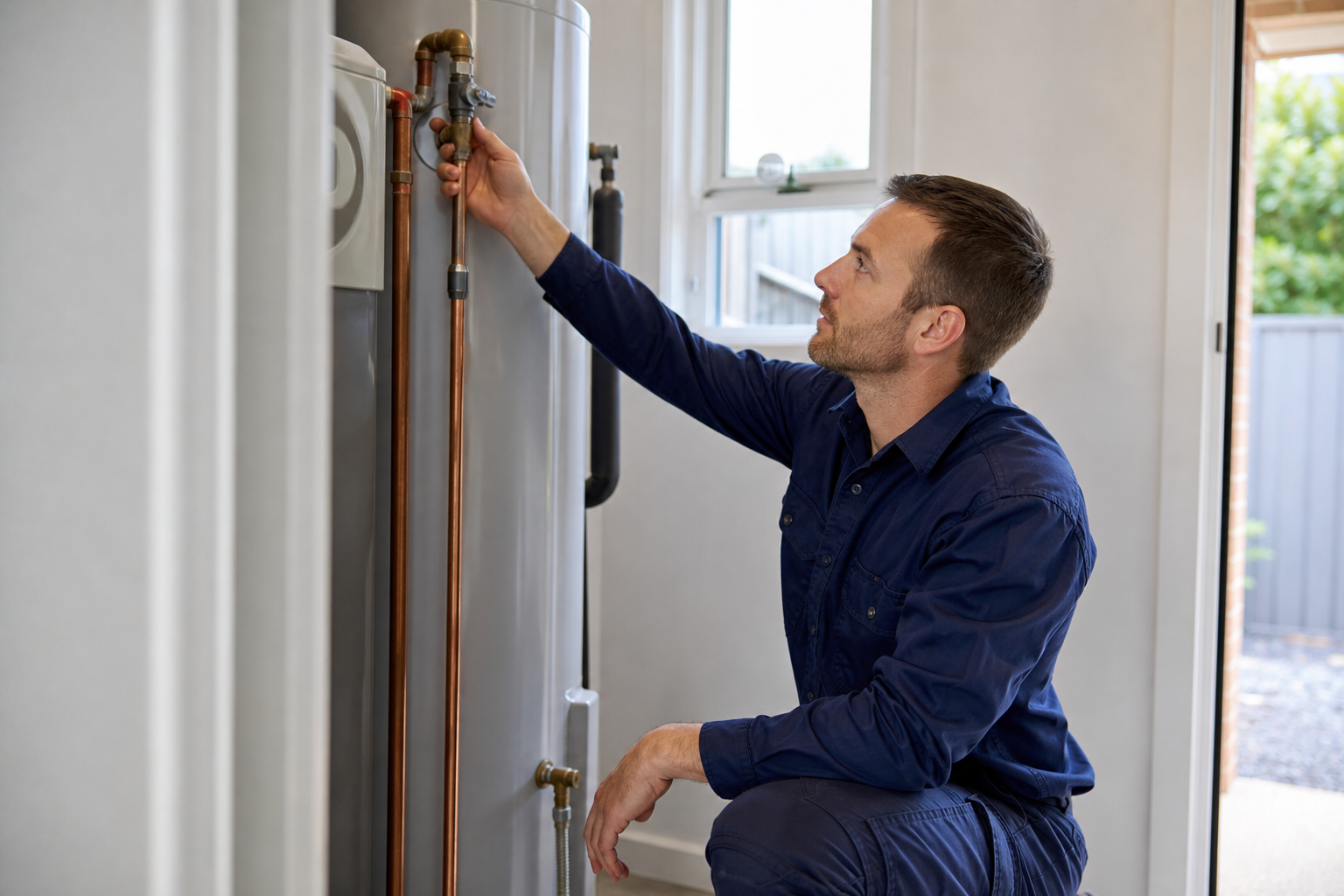
Is Your Hot Water System Trying to Tell You Something?
Your hot water system is one of the hardest-working appliances in your home. It quietly does its job day after day — until one morning you step into a cold shower and realise something has gone seriously wrong. The good news is that most hot water systems give plenty of warning signs before they fail completely. Knowing what to look for can save you from an unexpected breakdown, costly water damage, and the inconvenience of going without hot water.
In this guide, we'll walk you through the five most common signs that your hot water system is nearing the end of its life, what you can check yourself, and when it's time to pick up the phone and call a licensed plumber.
1. Your Hot Water System Is More Than 10–15 Years Old
Age is one of the most reliable indicators that a replacement is on the horizon. Most hot water systems have a lifespan of:
- Storage tank systems (electric or gas): 8–12 years
- Continuous flow (instantaneous) systems: 15–20 years
- Heat pump systems: 10–15 years
- Solar hot water systems: 10–20 years depending on maintenance
If your system is approaching or has exceeded these ranges, it may be working harder than it should to deliver the same results — and that means higher energy bills and a greater risk of sudden failure. Check the manufacturer's label on your unit for the installation date. If you're unsure of the age, a licensed plumber can help you identify the system and assess its condition.
2. Inconsistent or Insufficient Hot Water
One of the most obvious signs of a struggling hot water system is a noticeable change in performance. If you're experiencing any of the following, your system may be on its way out:
- Water that takes much longer than usual to heat up
- Hot water that runs out faster than it used to
- Fluctuating water temperatures during a shower
- Lukewarm water even when the thermostat is set correctly
For storage systems, this often points to a failing heating element, a deteriorating sacrificial anode rod, or sediment build-up inside the tank. For continuous flow systems, it can indicate burner issues or a failing heat exchanger.
What You Can Check
Before calling a plumber, verify that your thermostat hasn't been accidentally adjusted. For electric systems, check your switchboard to ensure the hot water circuit hasn't tripped. If everything looks normal but the problem persists, it's time to get a professional assessment.
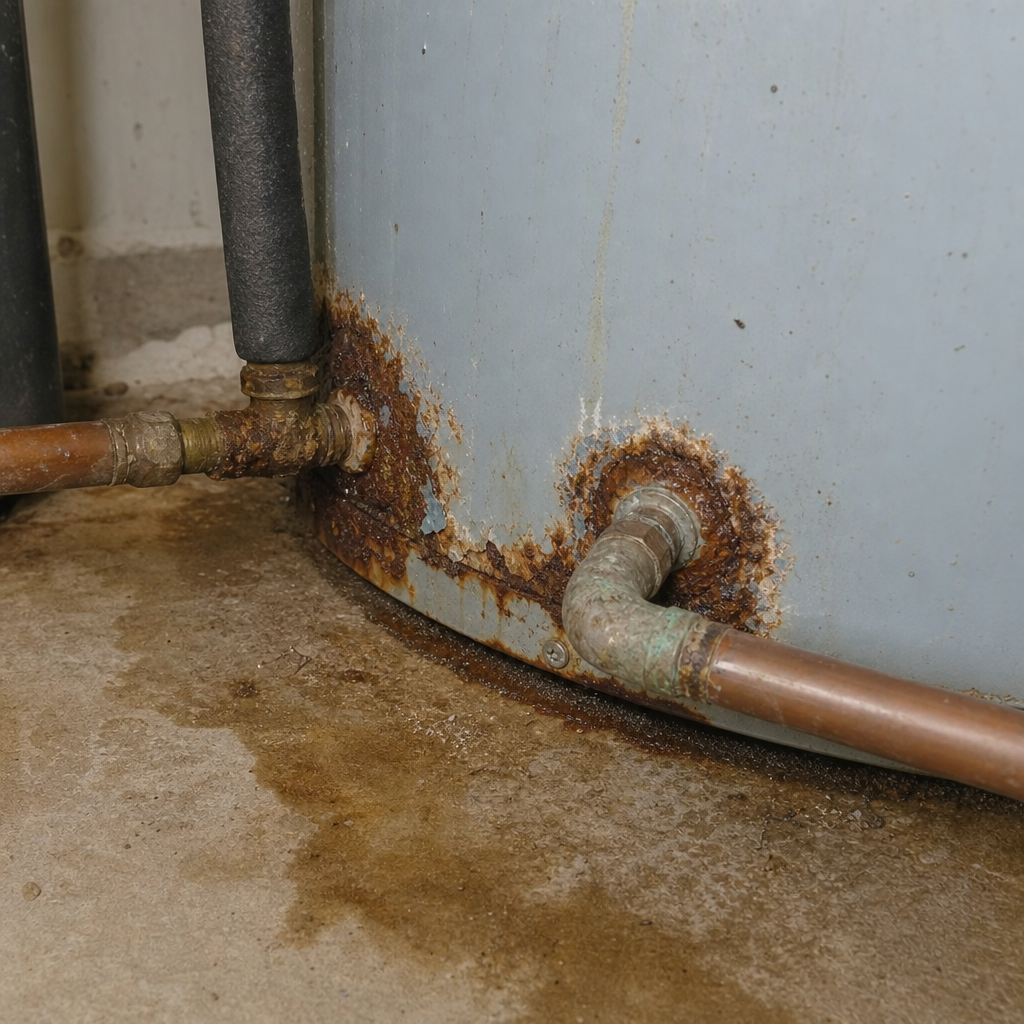
3. Visible Rust, Corrosion, or Leaking
Water and metal are never the best of friends over time. Rust and corrosion are serious warning signs that your hot water system's integrity may be compromised. Look out for:
- Rusty or discoloured water coming from your hot taps
- Visible rust stains around the tank, fittings, or pipes
- Corrosion around the pressure relief valve or inlet/outlet connections
- Any pooling water or dampness around the base of the unit
Even a small, slow leak can escalate quickly, potentially causing significant water damage to your home. Rust inside the tank typically means the lining has failed and contaminants may be entering your water supply — a health and safety concern that warrants urgent attention.
When to Act Immediately
If you notice active leaking from the tank body itself (not just a loose fitting), do not attempt a DIY repair. Turn off the water supply to the unit and call a licensed plumber right away. In Australia, hot water system installation and repair must be carried out by a licensed tradesperson.
4. Strange Noises Coming From the Unit
A well-functioning hot water system should operate quietly. If yours has started making unusual sounds, it's worth paying attention. Common noises and their likely causes include:
- Popping or rumbling sounds: Sediment build-up on the heating element, causing the element to overheat as it works through the deposits
- Banging or knocking: Thermal expansion in older tanks, or loose internal components
- Hissing: Could indicate a leak or pressure relief valve issue
- High-pitched whining: Often associated with pressure or valve problems
In some cases, a plumber can flush the tank to remove sediment and extend the system's life. However, if the tank walls have already been damaged by prolonged overheating, replacement may be the safer and more cost-effective option.
5. Rising Energy Bills Without Explanation
Your hot water system accounts for roughly 25–30% of the average Australian household's energy use. When a system starts to fail, it often works harder and longer to achieve the same result — and that inefficiency shows up directly on your energy bill.
If you've noticed a gradual increase in your electricity or gas costs and can't attribute it to a change in usage habits, your hot water system could be the culprit. This is particularly common in older storage systems where insulation has degraded or components are wearing out.
Compare the Cost of Repair vs. Replacement
A licensed plumber can give you a clear picture of whether repairing your existing system makes financial sense or whether investing in a new, energy-efficient model will save you more in the long run. Modern heat pump systems, for example, can reduce hot water energy costs by up to 70% compared to standard electric storage systems.
When to Call a Licensed Plumber in Australia
Australian law requires that all hot water system installations, replacements, and most repairs be carried out by a licensed plumber. Attempting to do this work yourself is illegal, unsafe, and can void your home insurance. You should call a licensed plumber if:
- Your system is leaking from the tank body
- You have no hot water and basic troubleshooting hasn't helped
- You notice rusty or discoloured hot water
- Your system is making unusual noises
- Your system is more than 10 years old and showing any of the above signs
- You want to upgrade to a more energy-efficient system
A qualified plumber will assess your current system, advise on the best replacement option for your household's needs, and ensure the installation complies with Australian Standards and local regulations.
Don't Wait for a Cold Shower to Act
Replacing a hot water system before it fails completely gives you the time to make an informed decision about the right system for your home — rather than rushing into a purchase during an emergency. If you've noticed any of the five signs above, the smartest move is to have your system assessed sooner rather than later.
Contact a licensed plumber in your area for a professional inspection and honest advice. A little proactive attention now can save you significant money, stress, and disruption down the track.