A leaking toilet is more than just annoying — it can quietly cost you a lot
If you've noticed water pooling around the base of your toilet, a cistern that keeps running, or a suspiciously high water bill, there's a good chance your toilet has a leak somewhere. It's one of the most common plumbing issues we see across Blacktown and the wider Western Sydney area, and the good news is that most leaks are very fixable once you know what you're dealing with.
This guide walks you through the most likely causes, what you can check yourself, how much repairs typically involve, and when it makes sense to call in a licensed plumber.
Where is the leak actually coming from?
Before you do anything else, it helps to figure out where the water is escaping. Toilet leaks generally fall into a few categories:
1. The cistern is constantly running
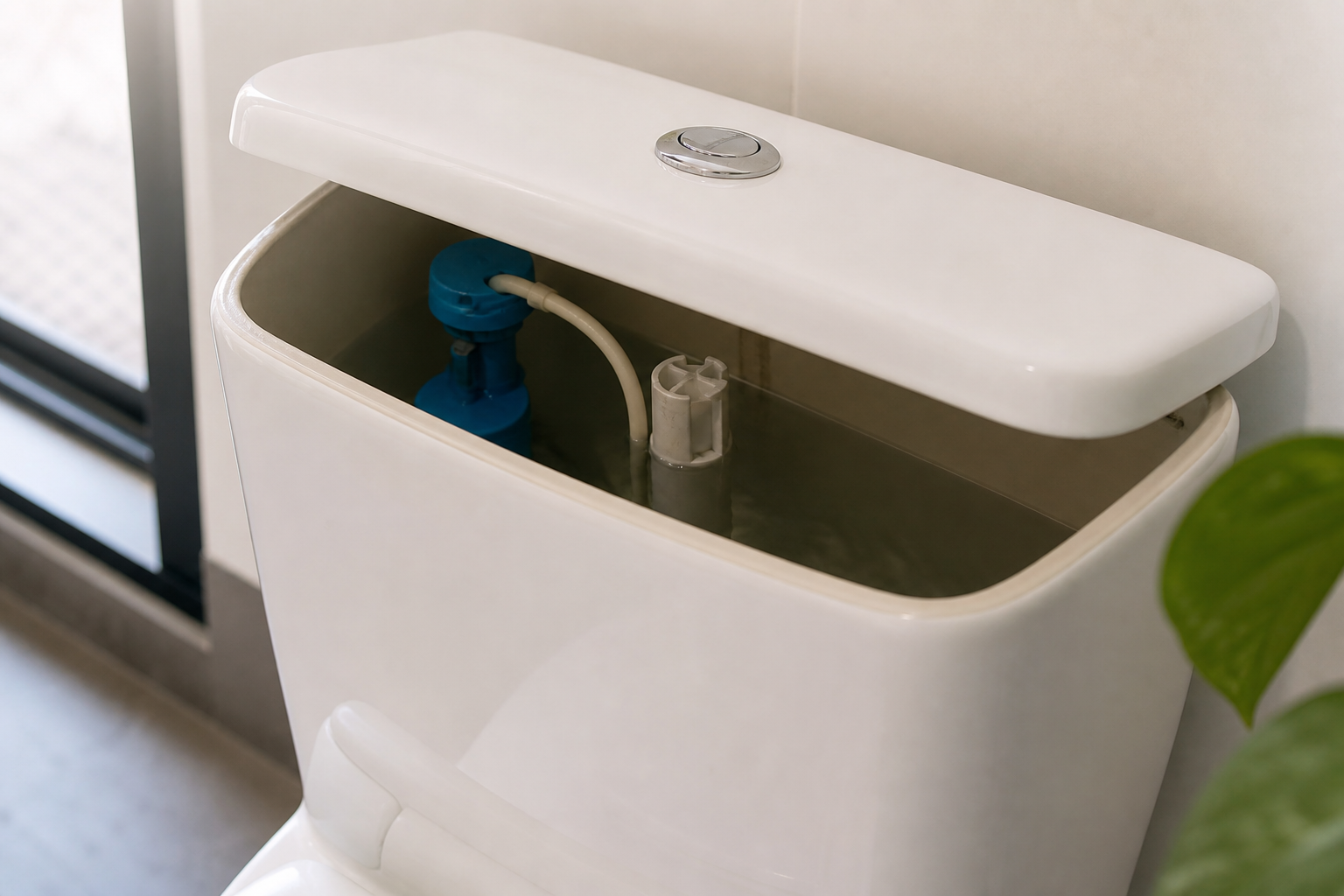
This is probably the most common one. If you can hear water trickling into the bowl long after you've flushed, the cistern isn't sealing properly. The usual culprits are a worn flapper valve (the rubber seal at the bottom of the cistern) or a faulty fill valve. These parts wear out over time, especially in areas with harder water.
A continuously running cistern can waste thousands of litres of water every month — which shows up directly on your water bill. If you're not sure whether your toilet is leaking silently, try the dye test: drop a few drops of food colouring into the cistern and wait 15 minutes without flushing. If colour appears in the bowl, water is seeping through.
2. Water pooling at the base
If you're finding water on the floor around the toilet after flushing, the wax ring or rubber seal between the toilet and the floor drain has likely failed. This one is worth taking seriously — water sitting under a toilet can damage flooring and subfloor material over time, and in some cases it can indicate a more significant drainage issue.
3. Leaking from the inlet valve or supply line
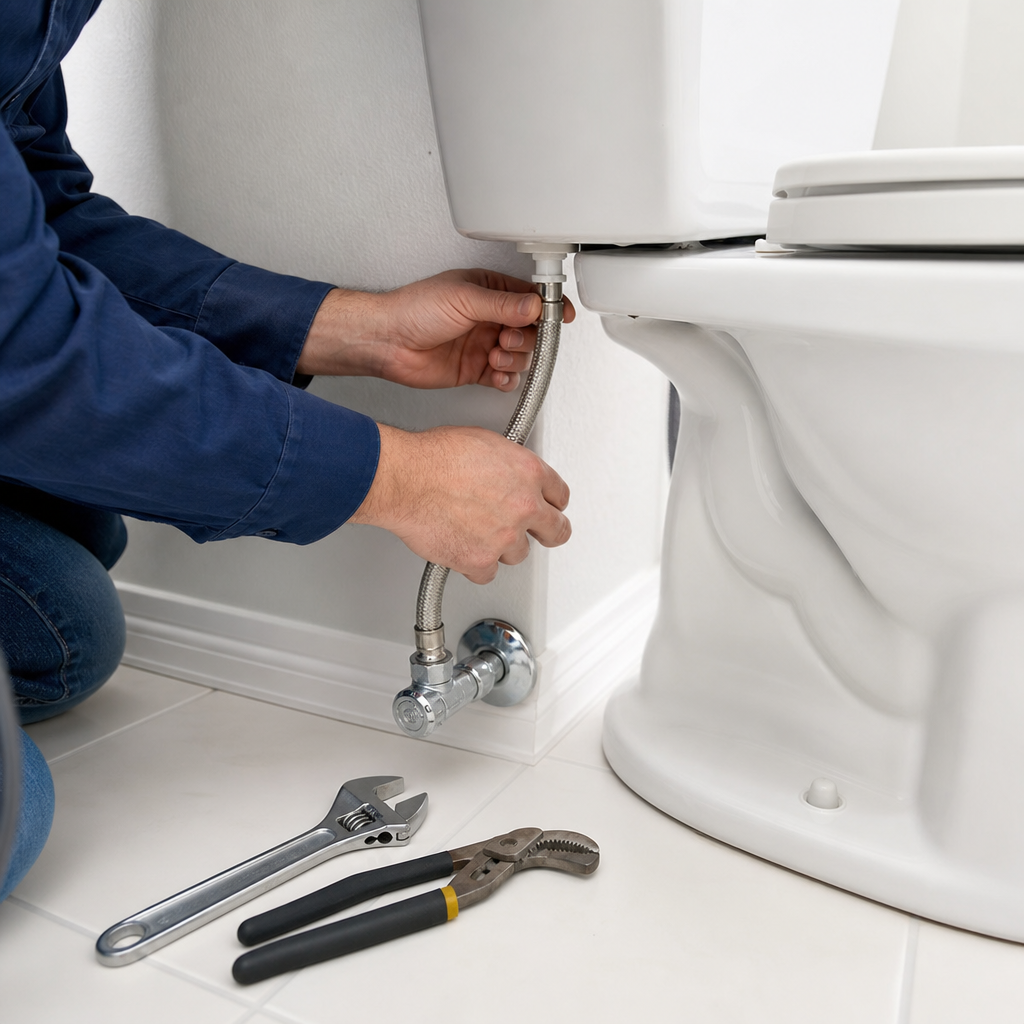
The small flexible hose connecting your toilet to the wall is another common leak point. These hoses can crack or loosen over time, especially if they're older braided steel or plastic. A slow drip here might not seem urgent, but left alone it can cause water damage to cabinetry, walls or flooring nearby.
4. Cracks in the porcelain
Less common, but it does happen — particularly in older toilets or after an impact. A crack in the bowl or cistern usually means the toilet needs to be replaced rather than repaired.
What can you safely check yourself?
There are a few things homeowners can do before calling a plumber:
- Lift the cistern lid and take a look inside. If the float is sitting too high or the water level is above the overflow tube, that's a sign the fill valve needs adjusting or replacing.
- Check the supply hose connection at the wall and at the cistern for any visible moisture or drips.
- Dry the floor around the toilet base thoroughly, then flush and watch closely to see if water reappears immediately.
- Use the dye test mentioned above to check for a silent flapper leak.
If you can clearly see the problem is a worn flapper or a loose hose connection, some homeowners are comfortable replacing those parts themselves — they're available at most hardware stores. That said, if you're not confident with plumbing, or if the issue is anything more involved than a basic seal, it's worth getting a professional to take a look. Getting it wrong can turn a small repair into a bigger one.
It's also worth checking your water meter to rule out other leaks in the house. Our article on how to read your water meter and spot a hidden leak before it gets expensive walks you through exactly how to do that.
How much does a leaking toilet repair cost?
Repair costs vary depending on what's actually wrong, but here's a general sense of what's involved:
- Flapper or fill valve replacement: This is typically a straightforward job. Parts are inexpensive and the labour is usually minimal — often completed in under an hour.
- Inlet hose replacement: Also a quick job in most cases. If the hose has been leaking for a while and caused water damage, that's a separate consideration.
- Wax ring or base seal replacement: This involves removing the toilet, replacing the seal and re-setting everything. It takes a bit more time but is still a standard repair.
- Full toilet replacement: If the toilet is cracked, very old, or constantly causing problems, replacement is sometimes the more practical and cost-effective option in the long run. A plumber can help you weigh that up honestly.
Because every situation is a bit different, the best approach is to have a plumber assess the problem first so you know exactly what you're dealing with before committing to anything. A good plumber will explain the options and let you decide.
When should you call a plumber straight away?
Some toilet leaks can wait a day or two. Others shouldn't. Call a plumber promptly if:
- Water is actively pooling on the floor and not stopping
- There's any sign of sewage smell, which could indicate a drainage issue rather than a simple seal problem
- The toilet is rocking or unstable when you sit on it
- You've tried a basic fix and the problem has come back
- You're a landlord or property manager and a tenant has reported the issue — in most cases you have an obligation to address plumbing faults promptly
For landlords and property managers across Blacktown, Seven Hills, Quakers Hill and the rest of Western Sydney, staying on top of toilet leaks is also just good property management. A small repair now is nearly always cheaper than water damage repairs later.
Don't ignore a running toilet
It's easy to put up with a toilet that runs for a few seconds after flushing, or one that needs a second flush occasionally. But these are signs that something isn't working properly, and the water waste adds up fast. Sydney Water estimates that a leaking toilet can waste up to 260 litres of water per day — that's a meaningful hit to your quarterly bill.
If your water bills have been creeping up and you can't figure out why, a leaking toilet is one of the first things worth checking. You might also find our guide on spotting hidden leaks through your water meter useful for ruling out other causes.
Getting your leaking toilet sorted properly
A leaking toilet is a common problem, and in most cases it's a straightforward fix when handled by a licensed plumber who takes the time to diagnose it properly. At Blacktown Flow Plumbing, we work with homeowners, landlords and small businesses across Western Sydney — from Blacktown and Seven Hills through to Rooty Hill, Mount Druitt and Prospect. We'll tell you what's going on, explain your options clearly, and get the work done without unnecessary fuss.
Need help with a plumbing or hot water problem? Contact Blacktown Flow Plumbing to discuss what is happening and arrange an assessment. We'll explain the practical next steps before any work begins. Give us a call on 02 5550 1234 or send us an email at mnbaylie@gmail.com.